Body Arts - Tattooing
Nagaland, India


Tattooing
tools, Nagaland;
1936.4.14 - .17
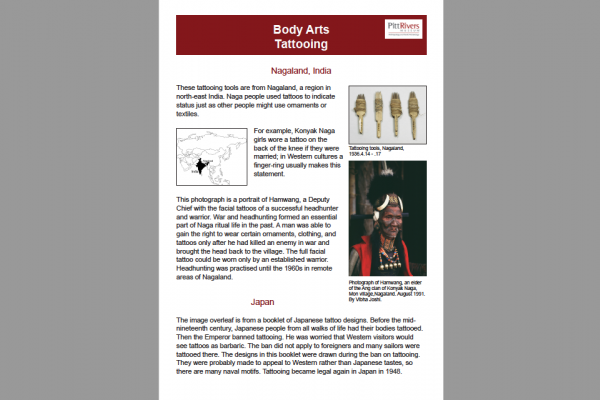
These tattooing tools are from Nagaland, a region in north-east India. Naga
people used tattoos to indicate status just as other people might use ornaments
or textiles. For example, Konyak Naga girls wore a tattoo on the back of
the knee if they were married; in Western cultures a finger-ring usually
makes this statement.

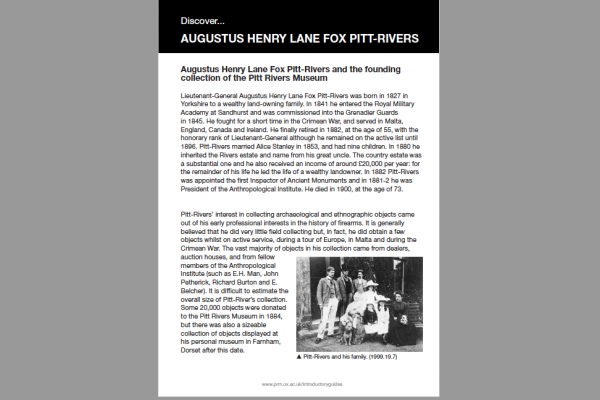
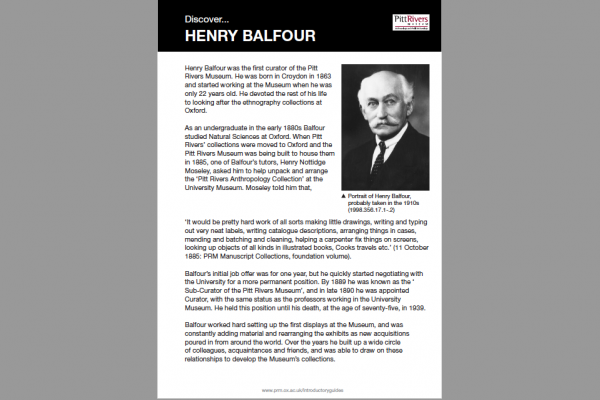
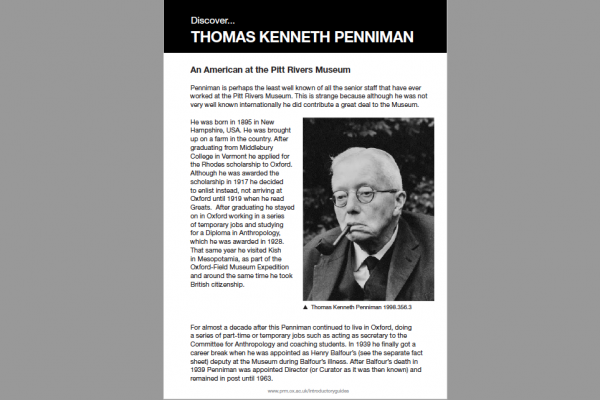
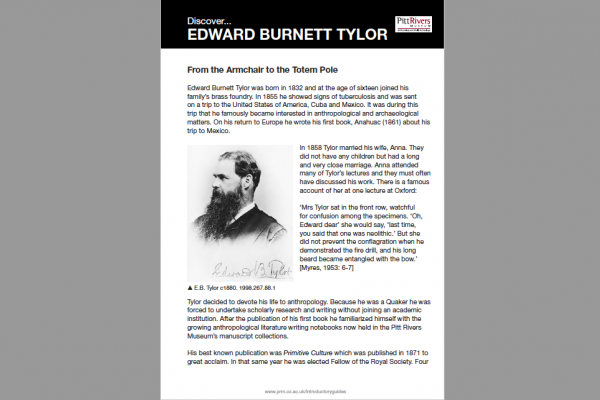
Photograph of Hamwang, an elder
of the Ang clan of Konyak Naga, M
on village,
Nagaland. August 1991.
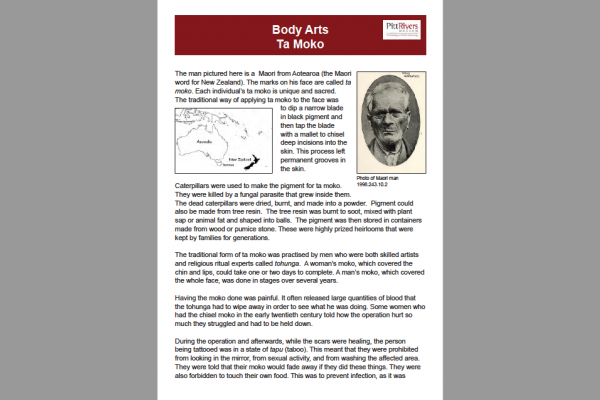
By Vibha Joshi.This photograph is a portrait of Hamwang, a Deputy Chief with the facial
tattoos of a successfulheadhunter and warrior. War and headhunting formed
an essential part of Naga ritual life in the past. Aman was able to gain
the rightto wear certain ornaments, clothing,and tattoos only after he
had killed an enemy in war and brought the head back to the village. The
full facial tattoo could be worn only by an established warrior. Headhunting
was practised until the 1960s in remote areas of Nagaland.
Japan

Tattoo designs, Japan
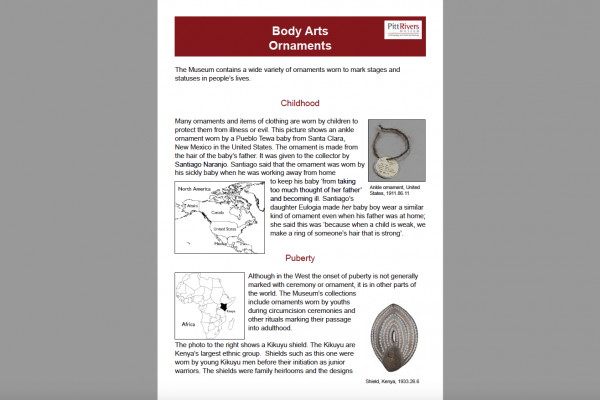
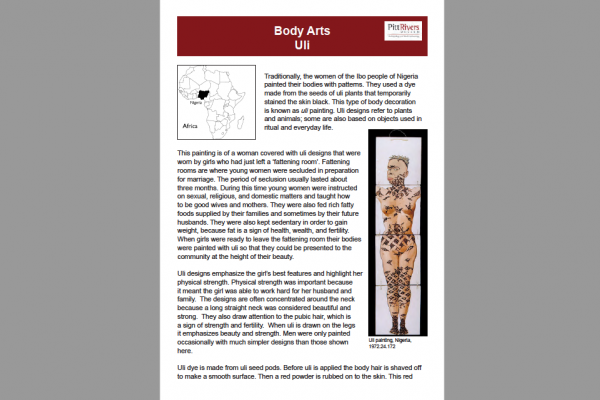
This image (left) is from a booklet of Japanese tattoo designs. Before the mid-nineteenth century, Japanese people from all walks of life had their bodies tattooed. Then the Emperor banned tattooing. He was worried that Western visitors would see tattoos as barbaric. The ban did not apply to foreigners and many sailors were tattooed there. The designs in this booklet were drawn during the ban on tattooing. They were probably made to appeal to Western rather than Japanese tastes, so there are many naval motifs. Tattooing became legal again in Japan in 1948.
The following is an extract from The Japanese Tattoo by Donald Richie and Ian Buruma.
The process begins with a visit by the client to the tattoo master. Usually
he comes with an introduction either from another client or from someone
who already knows the master. Customers do not drop in off the street, and
there is no equivalent of the Western tattoo parlour. The master may or may
not agree to tattoo the applicant. Refusals are common. If it appears that
the client wants the tattoo for the wrong reason to show off, for example
or is otherwise frivolous in his attitude, he will be refused. … The client
must be on time for each visit, there is much bowing, the most respectful
language is used, and in the case of disagreement the tattoo master is always
right.
Borneo, Malaysia
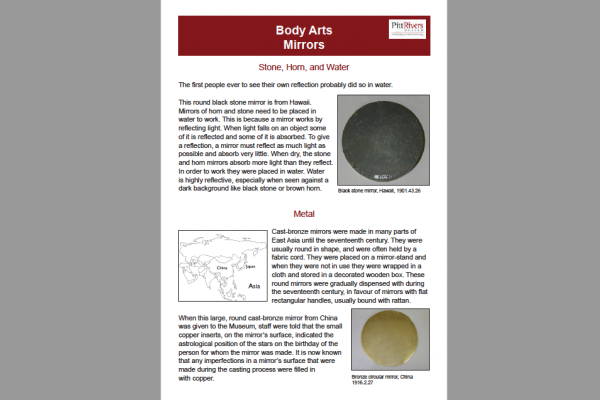
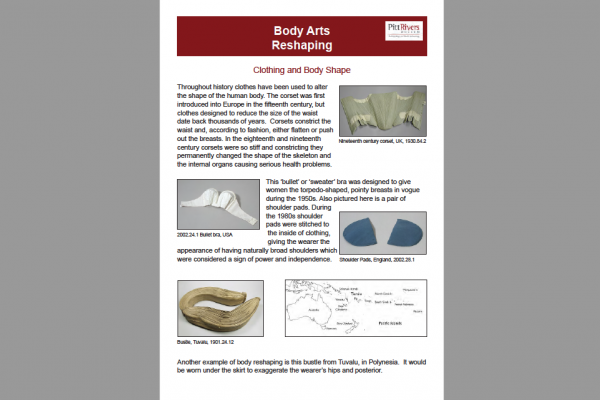
Tattooing has also been a common custom on the island of Borneo. The wooden
pattern blocks, pictured below, were smeared with black ink and then pressed
upon the skin to provide the tattooist with a template to follow. Such pattern
blocks were always carved by men. However, it was the women who were considered
experts on the significance and quality of the tattoo designs. Tattooing
was only ever performed by them.
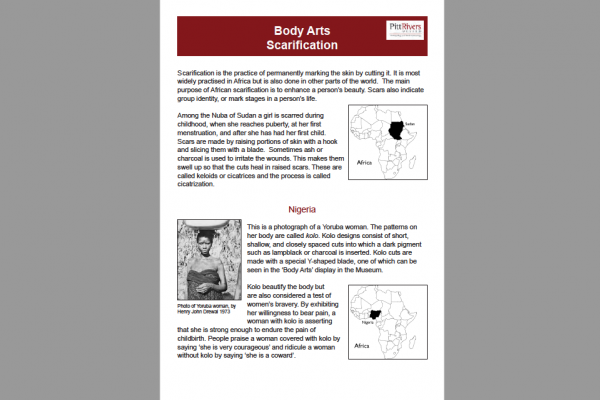
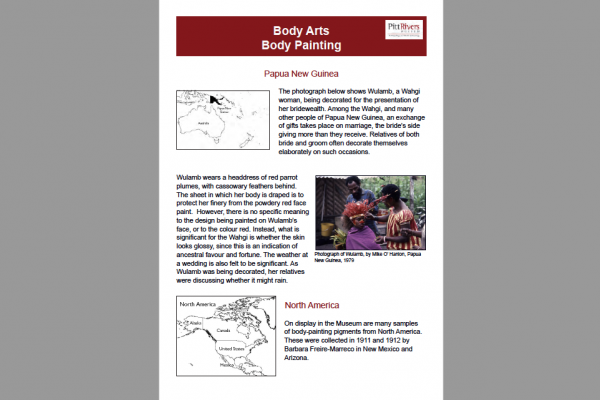
The designs pictured below are based on the image of a dog. The dog was highly regarded by the Kayan people and featured prominently in Kayan art. These patterns were tattooed on the forearm and thigh.

Block, Borneo, 1923.86.422

Block, Borneo, 1923.86.402

Block, Borneo, 1923.86.402
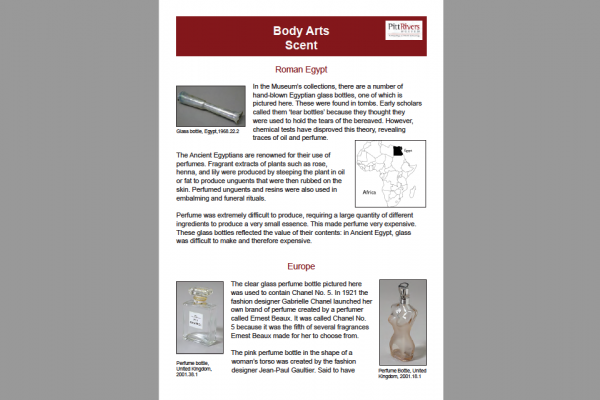
The small pattern to the left was tattooed on the wrist. The tattoo block represents an antique bead that was once worn by Kayan people as a protective charm. When a Kayan person was ill it was thought that his soul left his body and only returned when he was well again. After illness, to prevent their soul escaping for a second time, people tied a special bead called a lukut to one of their wrists. However, the string could break and the bead be lost so people began to tattoo this representation of the bead on their wrists instead. After some time the bead and the tattoo also came to be regarded as a charm to ward off disease.
Further Resources
Body Art Collections at the Pitt Rivers: A website exploring the Body Art collections at the Pitt Rivers Museum. Here you can find out more about the objects on display in the Museum, about the themes of the displays, and about the people who made and used the objects.
Further Reading
BURUMA, IAN, and DONALD RICHIE, The Japanese Tattoo, New York: Weatherhill (1980).
Detailed information about each of the objects on display is provided in the files at the far right of the Body Arts display.
Sources
HOSE, CHARLES, and WILLIAM MCDOUGALL, The Pagan Tribes of Borneo Vol I, London: Macmillan (1912).
Introductory guide compiled by: Jennifer Peck, Project Assistant, DCF Redisplay Project, 2002
revised by: Bryony Reid, Senior Project Assistant (Interpretation), DCF What’s Upstairs?, October 2005
Edited 2010 
Download print version of the Tattooing introductory guide
(to view pdf files Acrobat
Reader is required)