Body Arts - Scent
Roman Egypt
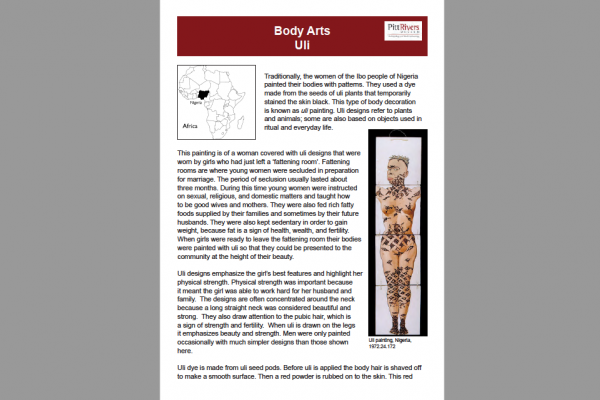
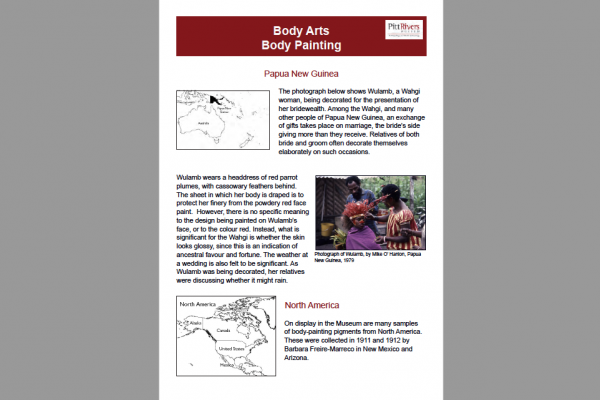
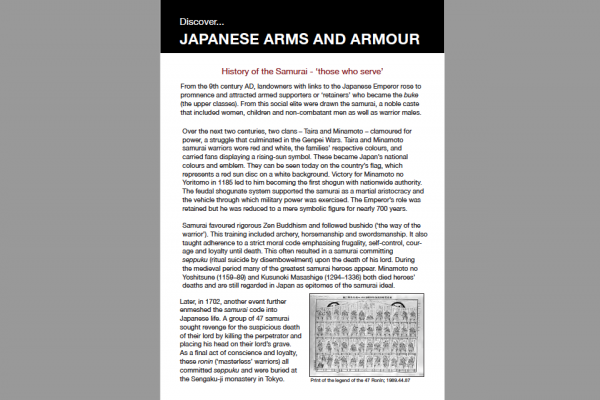
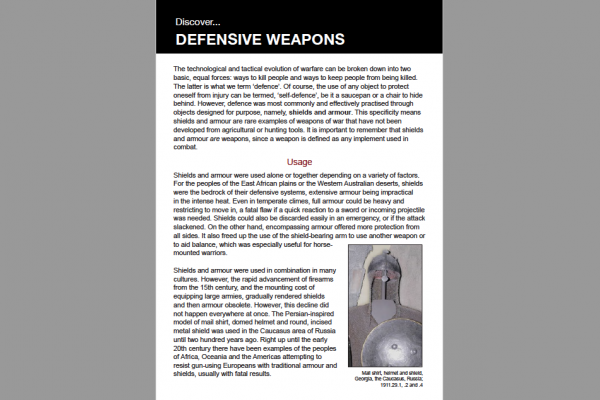
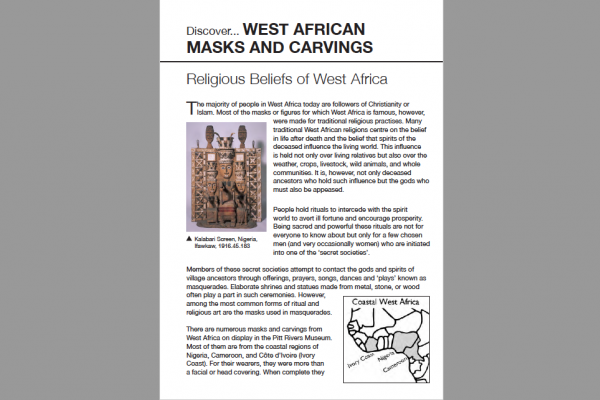
In the Museum’s collections, there are a number of hand-blown Egyptian glass
bottles, one of which is pictured here. These were found in tombs.Early
scholars called them ‘tear bottles’ because they thought they were used to
hold the tears of the bereaved. However, chemical tests have disproved this
theory, revealing traces of oil and perfume.
Glass bottle, Egypt;1968.22.2
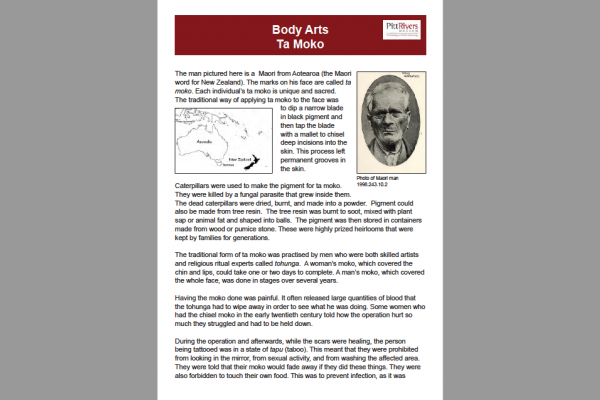
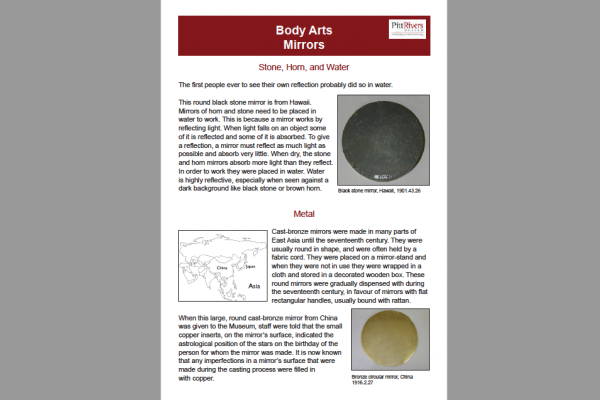
The Ancient Egyptians are renowned for their use of perfumes. Fragrant extracts of plants such as rose, henna, and lily were produced by steeping the plant in oil or fat to produce unguents that were then rubbed on the skin. Perfumed unguents and resins were also used in embalming and funeral rituals.

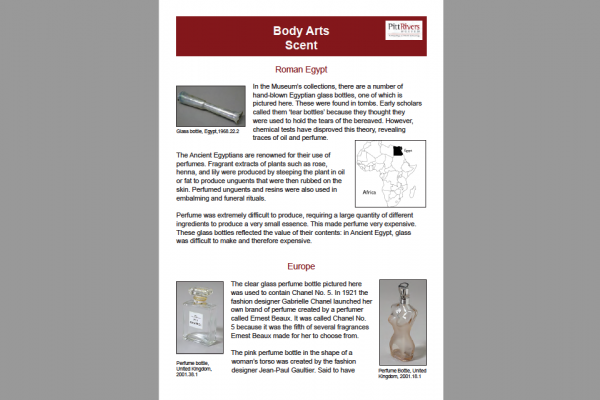
Perfume Bottle, United Kingdom;
2001.18.1Perfume was extremely difficult to produce, requiring a large quantity ofdifferent ingredients to produce avery small essence. This made perfume
very expensive. These glass bottlesreflected the value of their contents:
in Ancient Egypt, glass was difficult to make and therefore expensive.
Europe

Perfume
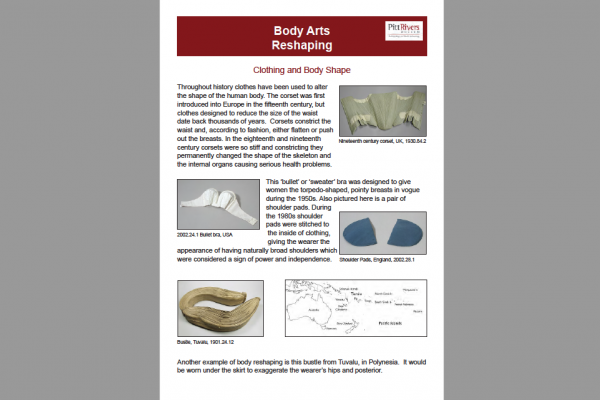
bottle,
United Kingdom;
2001.38.1
The clear glass perfume bottle pictured here was used to contain Chanel No. 5. In 1921 the fashion designer Gabrielle Chanel launched her own brand of perfume created by a perfumer called Ernest Beaux. It was called Chanel No. 5 because it was the fifth of several fragrances Ernest Beaux made for her to choose from.
The pink perfume bottle in the shape of a woman’s torso was created by the
fashion designer Jean-Paul Gaultier. Said to have been inspired by the appearance
of the pop star Madonna, it is a modern version of a 1930s bottle created
for Schiaparelli’s ‘Shocking’ perfume which was modelled on the actress Mae
West.
Venice

Glass bottle, Venice; 1941.8.071This small scent bottle is made of a type of glass called aventurine. Flecked
throughout with sparkling metallic particles, aventurine was the speciality
of Venetian glass makers.
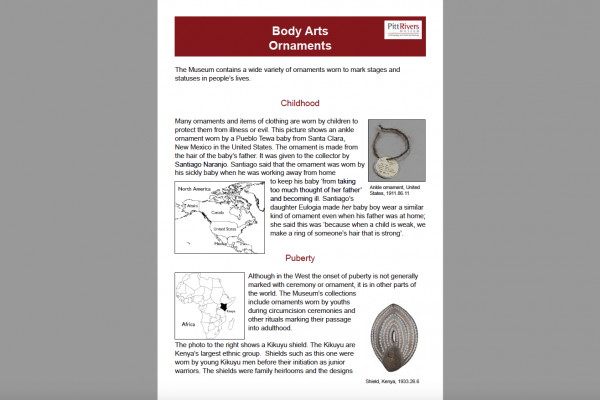
Coloured glass was used for perfume bottles not only because it was decorative, but also because it protected the perfume from deterioration through exposure to light.
Turkey

Glass bottle, Turkey; 1931.29.14
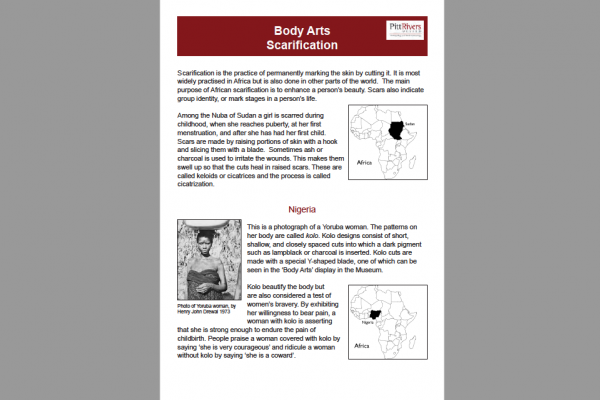
This long, thin, clear glass bottle from Turkey originally contained ‘attar’, the essential oil extracted from roses. Attar of roses was one of the most precious ingredients for perfumiers. The main centres of production included Turkey and the South of France, where flowers were gathered at dawn for optimum fragrance. The manufacturing process was costly and labour intensive: it takes two-and-a-half tons of rose petals to yield a half a pound of essential oil.
Further Resources
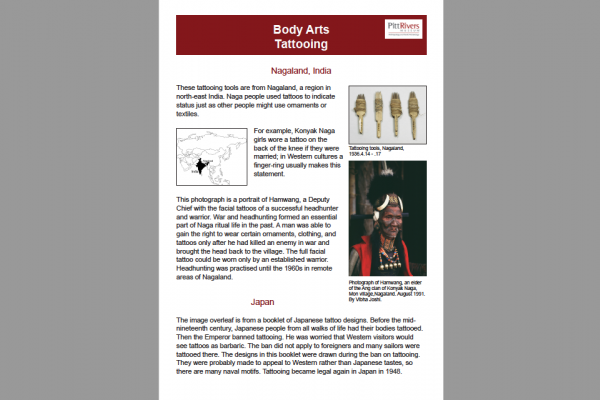
Body Art Collections at the Pitt Rivers: A website exploring the Body Art collections at the Pitt Rivers Museum. Here you can find out more about the objects on display in the Museum, about the themes of the displays, and about the people who made and used the objects.
Further Reading
MARSH, MADELAINE, Perfume Bottles: A Collector’s Guide, London: Miller’s (1999).
Objects featured in this fact sheet can be found in the following cases:
First Floor (Lower Gallery) L50A for bottles from Venice, Turkey, and Roman Egypt
First Floor (Lower Gallery) L50B for modern European bottles
Introductory guide compiled by:
Jennifer Peck, Project Assistant, DCF Redisplay Project, 2002
Revised by:
Bryony Reid, Senior Project Assistant (Interpretation), DCF What’s Upstairs?, October 2005
Edited 2010
Download print version of the Body Art - Scents introductory guide
(to view pdf files Acrobat Reader is required)