Body Arts - Ornaments
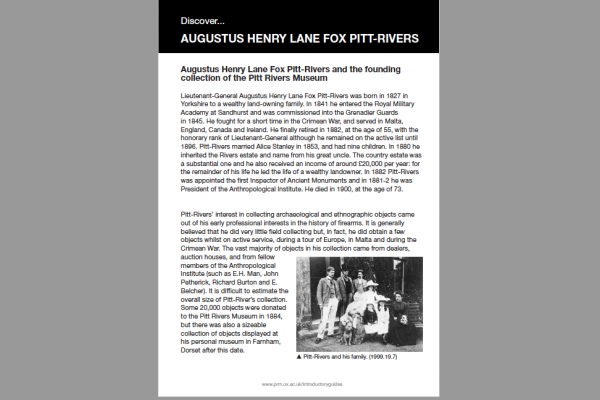
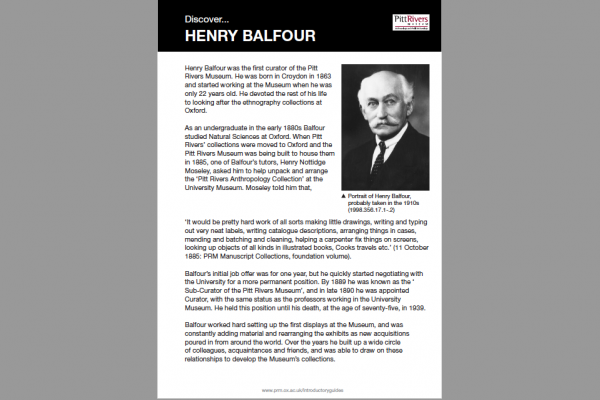
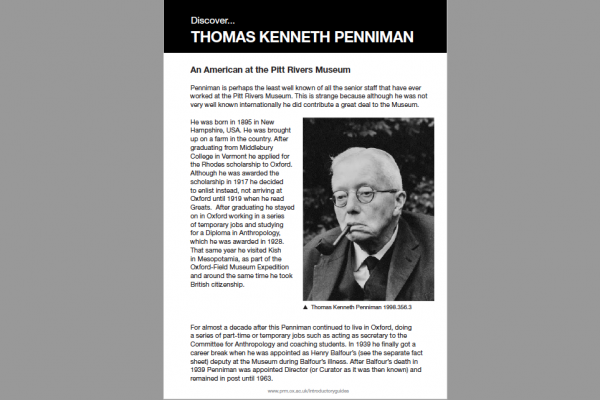
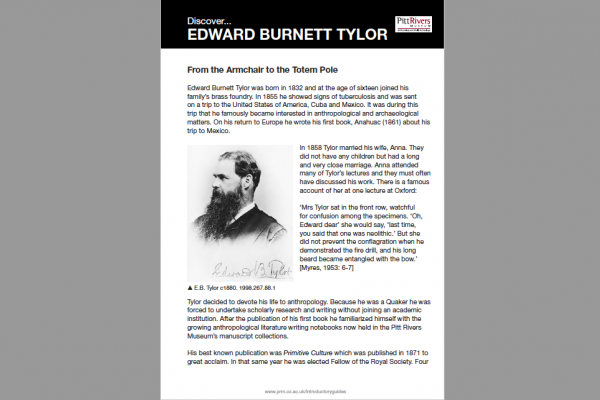
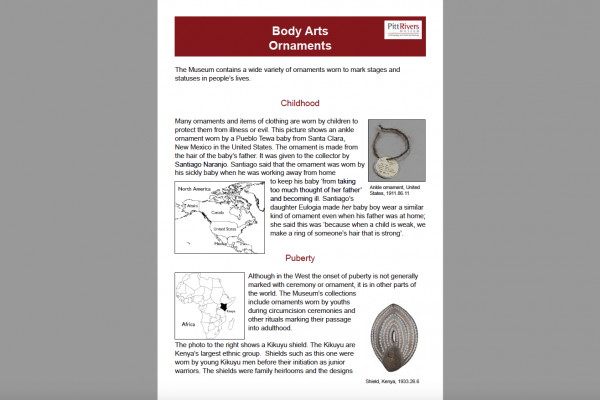
The Museum contains a wide variety of ornaments worn to mark stages and statuses in people’s lives.
Childhood

Ankle ornament, United States;
1911.86.11
Many ornaments and items of clothing are worn by children to protect them from
illness or evil. This picture shows an ankle ornament worn by a Pueblo Tewa
baby from Santa Clara, New Mexico in the United States. The ornament is made
from the hair of the baby’s father. It was given to the collector by Santiago
Naranjo. Santiago said that the ornament was worn by his sickly baby when he
was working away from home to keep his baby ‘from taking too much thought of
her father’ and becoming ill. Santiago’s daughter Eulogia made her baby boy
wear a similar kind of ornament even when his father was at home; she said
this was ‘because when a child is weak, we make a ring of someone’s hair that
is strong’.
Puberty

Shield, Kenya; 1933.26.6Although in the West the onset of puberty is not generally marked with
ceremony
orornament, it is in other parts of the world. The Museum’scollections
include ornaments worn by youths duringcircumcisionceremonies and other
rituals marking their passage into adulthood.
This photo shows a Kikuyu shield. The Kikuyu are Kenya’s largest ethnic group. Shields such as this one were worn by young Kikuyu men before their initiation as junior warriors.
The shields were family heirlooms and the designs were often scraped off and repainted many times as each new generation of boys prepared for their initiation. The design for the front of the shields changed each year and men often adopted this design for their war shields once they become warriors. The backs of shields are always decorated with serrated lines.
Marriage
In the West brides traditionally wear white as a symbol of purity and chasteness.
In many parts of Asia however red is the auspicious wedding colour. This
picture shows a red necklace threaded with a large gold bead.
This is the traditional necklace worn by Hindu Nepali women as a sign of
their marriage. Before a couple are married, the father of the groom purchases
a gold bead and takes it to the bead seller who makes the necklace. 
Necklace, Nepal, 2001.28.1
After
the bride and groom are married, the groom places the necklace around the
neck of his bride as a gift from his family. The traditional colour of the
necklace is red or green as these are said to bring luck, but after marriage
the woman may wear the gold bead with different coloured glass beads to coordinate
the necklace with her clothing.
Adulthood

Ornaments are often worn by adults to indicate their social and professional status. These hat decorations were worn by mandarins in the nineteenth century. A mandarin was a Chinese official; there were nine ranks each of which was distinguished by a particular kind of ‘button’. These buttons were worn for everyday use but on special occasions the pink button would have been made of coral, the blue button would have been of a blue stone like sapphire, the clear glass would have been crystal, and the metal would have been gold.
![]() |
![]() |
![]() |
![]() |
| Mandarin hat button, China,1896.62.122 |
Mandarin hat button; China,1896.62.124 |
Mandarin hat button, China;1952.5.66 |
Mandarin hat button, China;1887.26.35 |
Death

Necklace, United Kingdom;
1928.15.2.1
In Victorian Britain a widow was expected to mourn her husband for at least two years. During the first year of mourning the widow dressed entirely in black and jewellery was generally not worn. Then after one year she was allowed to wear jewellery made of black cut glass and jet.
A popular trend was to incorporate a lock of the deceased’s hair into mourning jewellery.
Hair of the deceased was also used to make the mourning jewellery itself. This necklace is part of a set of ornaments (including a brooch, hairpins and necklace) made in 1867 from the hair of a brother and sister who had recently died.
Further Resources
Body Art Collections at the Pitt Rivers: A website exploring the Body Art collections at the Pitt Rivers Museum. Here you can find out more about the objects on display in the Museum, about the themes of the displays, and about the people who made and used the objects.
Further Reading
Detailed information about each of the objects on display is provided in the Body Arts Gallery.
Sources
SPRING, CHRISTOPHER, African Arms and Armour, London: British Museum Press (1993).
Objects featured in this introductory guide can be found in the following cases:
First Floor (Lower Gallery) L41B for mourning jewellery First Floor (Lower Gallery) L42A for hat buttons First Floor (Lower Gallery) L43B for Nepalese necklace First Floor (Lower Gallery) L44B for shield
First Floor (Lower Gallery) L45A for ankle ornament
Introductory guide compiled by:
Jennifer Peck, Project Assistant, DCF Redisplay Project, 2002
Introductory guide revised by:
Bryony Reid, Senior Project Assistant (Interpretation), DCF What’s Upstairs?, October 2005
Download print version of this introductory guide